
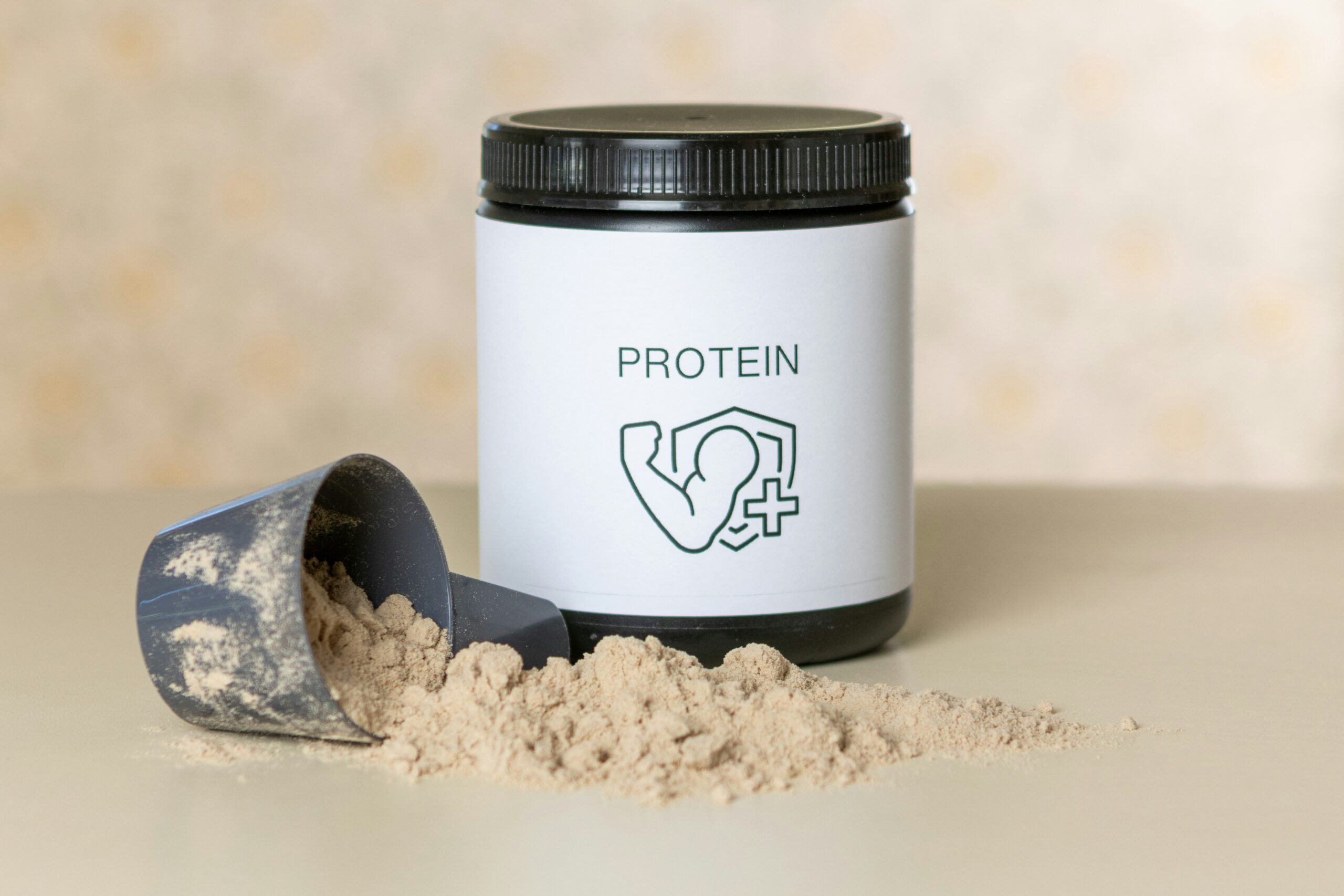
In the world of youth baseball, “Protein” is often treated like a magic potion. You see 12-year-olds walking around with massive shaker bottles full of expensive powders, hoping it will lead to 300-foot home runs. While protein is essential for muscle repair and growth, the source and the timing matter far more than the quantity.
For a developing athlete, you don’t need supplements—you need a “Whole Foods First” strategy.
- Why Protein Matters (The “Construction” Analogy) Think of your player’s body like a house. Carbohydrates are the “workers” who provide the energy to build, but Protein is the “brick.” After a weekend of sprinting, swinging, and throwing, those bricks are worn down. If you don’t provide enough protein, the “house” stays weak.
- How Much Do They Actually Need? Most youth athletes need between 0.6 and 0.9 grams of protein per pound of body weight. * The Math: A 100 lb player needs roughly 60–90 grams of protein a day.
- The Reality: This is easily achievable through real food without ever touching a protein tub.
- The Best Sources for Baseball Players Not all protein is created equal. You want sources that are high in Leucine, an amino acid that specifically “turns on” muscle repair.
- The “Gold Standard”: Eggs, Chicken Breast, Lean Beef, and Fish.
- The Plant-Based Pros: Greek Yogurt (high protein-to-calorie ratio), Lentils, and Almonds.
- The Dairy Advantage: As mentioned in our “Chocolate Milk” post, dairy protein (Whey and Casein) is absorbed very efficiently by young bodies.
- The “Protein Spacing” Secret The body can only process about 20–30 grams of protein in a single sitting.
- The Mistake: Eating a giant 60g protein steak at dinner but only having cereal for breakfast.
- The Fix: Space it out. 20g at breakfast (eggs), 20g at lunch (turkey sandwich), and 20g at dinner (chicken) is far more effective for muscle growth than one “protein-heavy” meal.
- Should My Kid Use Protein Powder? Generally, the answer is no. * Why: Many supplements are “bulk-filled” with sugar and artificial sweeteners. Furthermore, the supplement industry is unregulated—you don’t always know what’s in that tub.
- The Exception: If you have a “picky eater” who refuses meat and dairy, a high-quality, third-party tested (NSF Certified for Sport) protein powder can be a helpful gap-filler—but it should never be the foundation.
The Bottom Line
Protein is for repair, not for “bulking up” at age 11. Focus on high-quality, whole-food sources spread throughout the day to keep your player strong, durable, and ready for the next tournament.